SCHOLAR-TRANSLATOR
making COMPLEX RELIGIOUS TOPICS ACCESSIBLE for CURIOUS AUDIENCES SEEKING DEEPER MEANING.
RECENT SPEAKING CLIENTS





LIZ’S KEYNOTE AREAS
When Spirituality Stops Serving Us
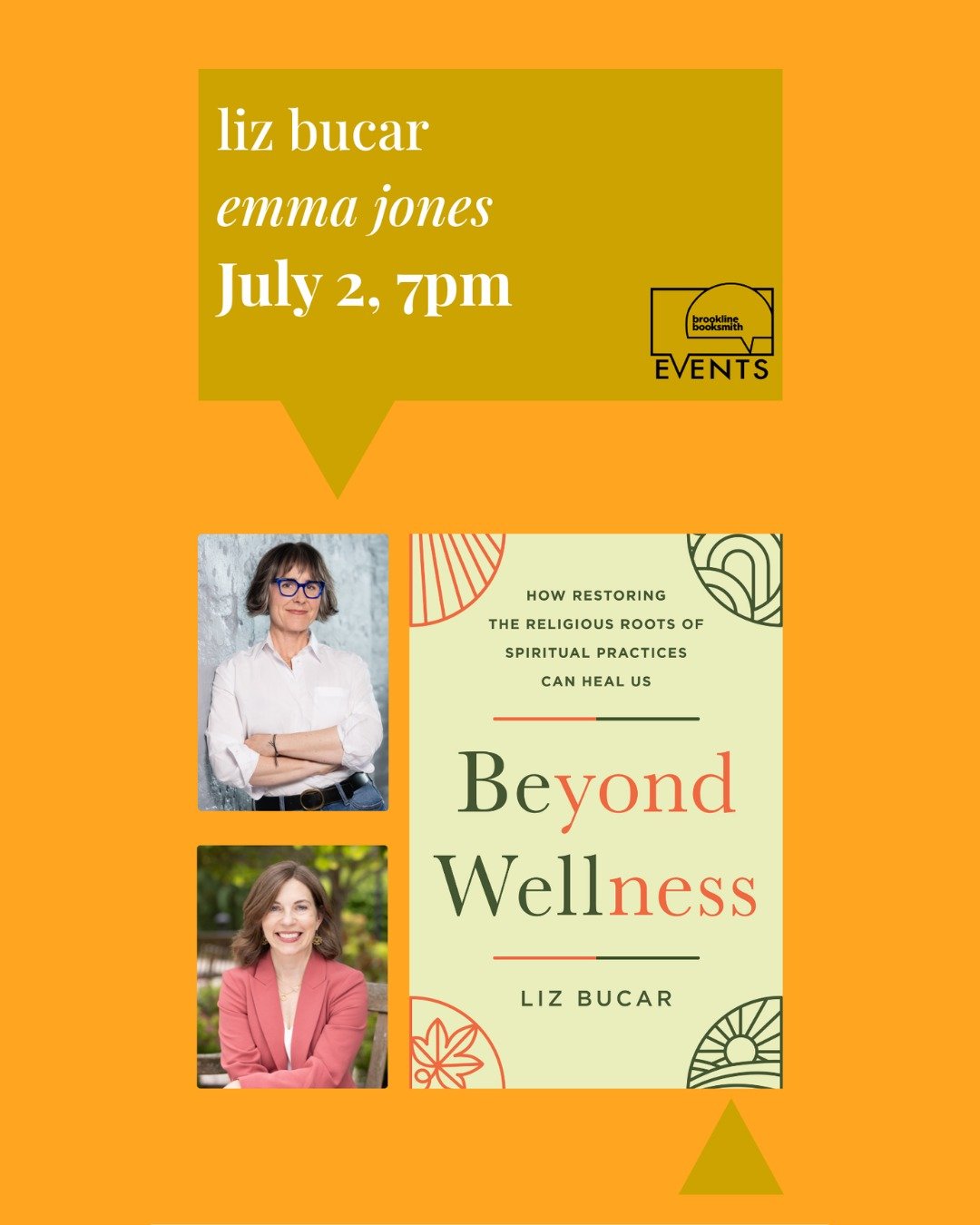
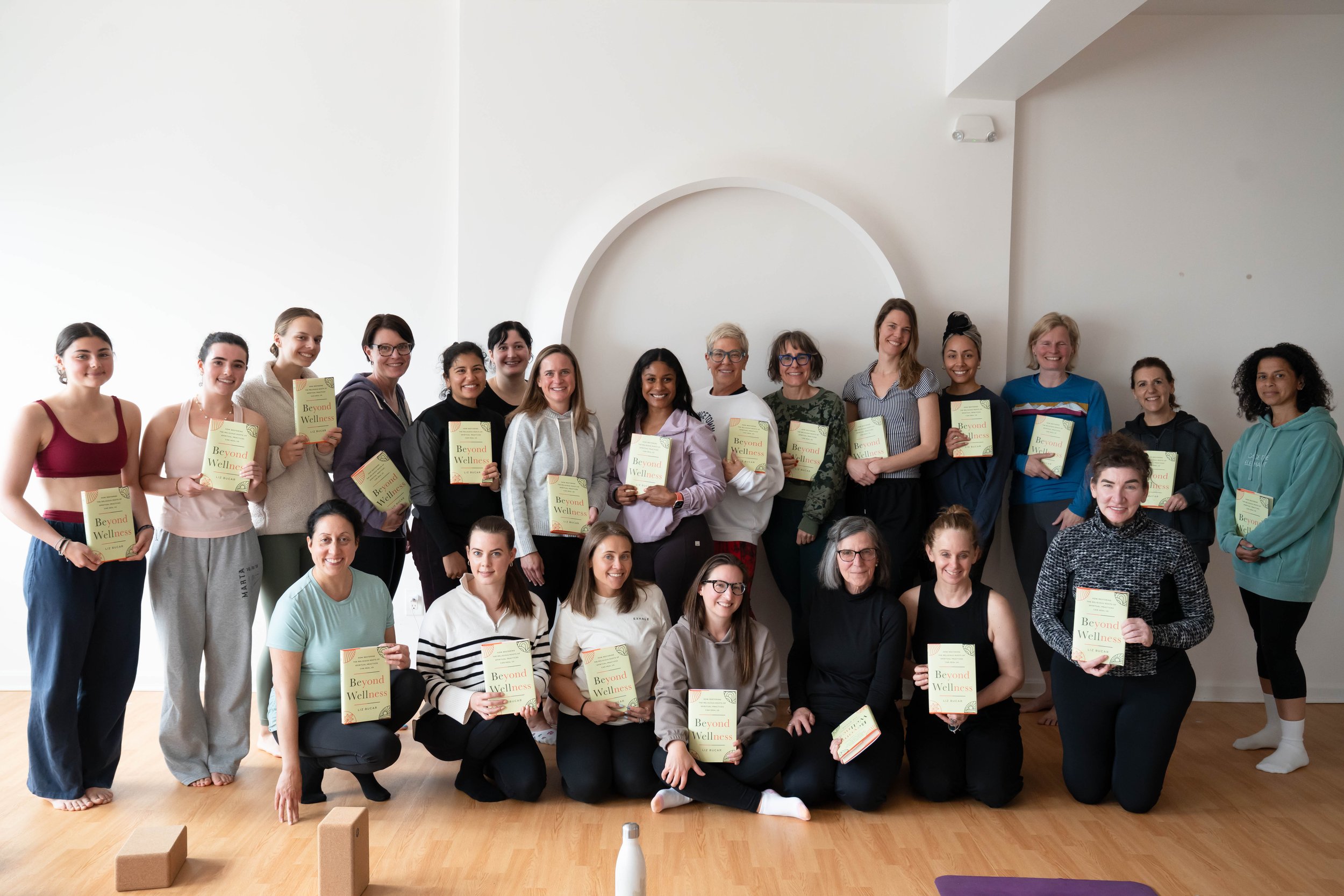
The wellness industry promises ancient wisdom, but what it usually delivers is spiritual practice stripped of everything that made it transformative in the first place. From yoga studios to meditation apps to the guru-influencer pipeline, we've extracted techniques from their religious homes and repackaged them as tools for individual optimization—losing the community accountability, ethical frameworks, and demands for change that were always the point. Drawing on Beyond Wellness and her research into religious appropriation, Liz helps audiences understand what gets lost in translation, and what genuine spiritual nourishment actually requires.
The Hidden Religious Logic of Secular Life
Religion didn't disappear when we stopped going to church. It went underground. The wellness movement, progressive politics, fitness culture, and self-help empires are all animated by deeply religious ideas about healing, transformation, hope, and what it means to live a good life—ideas most of us can't quite name because we didn't know we were inheriting them. Liz brings her training as a religious ethicist to the cultural moments everyone is already talking about, revealing the theological logic hiding in plain sight and why recognizing it matters.
What Religion Knows About Hope
At a moment when cynicism feels rational and optimism feels naive, religious traditions offer something more honest than either: a practiced, disciplined capacity to imagine a different world and work toward it without proof it will arrive. From Martin Luther King Jr.'s Beloved Community to Rebecca Solnit's ambient Buddhism, the most powerful frameworks for sustaining hope through difficulty have always had religious roots—even when we don't recognize them as such. Liz draws on her training in religious ethics to help audiences recover these frameworks, whether they consider themselves religious or not.
POPULAR TOPICS
Each talk is tailored to your audience. The topics below represent some of Liz's most popular presentations and can be a starting point for a custom conversation.
What the Wellness Industry Stole from Religion
Yoga, meditation, breathwork, ritual cleansing—the wellness industry has built a multi-trillion dollar empire on practices borrowed from religious traditions. But in making them accessible, it stripped away the very elements that made them transformative: community accountability, ethical frameworks, and the expectation that practice should change not just how you feel, but how you live. Drawing on Beyond Wellness, Liz offers a rigorous and accessible account of what spiritual borrowing costs, and what a more honest engagement with these traditions might offer instead.
We Don't Need a Savior, We Need a Sangha
Americans keep waiting for the right leader to fix things, the visionary politician, the prophetic voice, the person who will finally say what needs to be said. But religious traditions across Buddhism, Judaism, Christianity, and Islam have long insisted that transformation doesn't work that way: it happens through communities, not heroes. Drawing on thinkers from Thich Nhat Hanh to Rebecca Solnit to Martin Luther King Jr., Liz makes the case that the most urgent political work of our moment is also the oldest religious work, rebuilding the communal structures that make collective imagination and action possible.
You Can't Meditate Your Way Out of This
Mindfulness has been sold to Americans as the solution to everything from workplace stress to political anxiety. But when meditation gets stripped of its ethical commitments and communal obligations, it can quietly become a tool for disengagement, training us to find inner peace with injustice rather than work against it. Liz examines what gets lost when spiritual practices are extracted from their religious frameworks, and what a more honest, socially engaged contemplative practice might look like.
Holy Bullshit (or When Words Stop Meaning Things)
The crisis of our political moment isn't just that people are lying, it's that truth has stopped being the game entirely. Drawing on philosopher Harry Frankfurt's distinction between lying and bullshitting, Liz argues that the post-truth crisis is really a crisis of imagination: when we can no longer make honest sense of the world together, we lose the capacity to envision how it could be different. Religious communities, at their best, have always been in the business of protecting and cultivating exactly that capacity.
Spiritual But Not Accountable
The "spiritual but not religious" turn promised liberation from oppressive institutions, and delivered something unexpected: all the power dynamics of the guru-disciple relationship with none of the structures that might constrain abuse. Liz draws on case studies from wellness culture to examine why rejecting institutional religion doesn't automatically mean rejecting hierarchy, and what genuine accountability in spiritual communities actually requires.


AFTER AN HOUR WITH LIZ, YOUR AUDIENCE WILL BE ABLE TO:

Navigate authentic spiritual practice versus cultural appropriation with concrete frameworks for ethical engagement with traditions outside their own.
Decode the wellness industry's bold claims using scholarly insights to distinguish genuine practices from repackaged religious traditions stripped of essential elements.

Understand how religion shapes culture and politics with fresh insights into the hidden religious influences driving contemporary debates and social movements.

-
![A woman with glasses and short brown hair, smiling outdoors with trees and a cloudy sky in the background.]()
"Dr. Bucar drew a standing-room-only crowd of 150 people. Her speaking style is engaging without losing the nuance and sophistication of her research. Her examples resonated deeply with our diverse, multi-religious community, who only reluctantly left at the end of a very lively Q&A."
Deeana Copeland Klepper, Chair of the Department of Religion
Boston University
-
![A man with glasses, a beard, and gray hair smiling, wearing a red shirt and a yellow wristband, sitting at a table in an office environment with a sign for Stud Ground in the background.]()
"Liz’s talk was scholarly yet readily accessible. She fielded challenging questions with generosity and grace, and stayed long after Q&A to chat with people. She gave students a truly memorable conversation about the complexities of intercultural sensitivity and religious appropriation."
Chris Jones, Associate Professor of Religious Studies
Washburn University
-
![A woman with short dark hair, glasses, and earrings, smiling and standing with arms crossed, wearing a white blazer over a navy shirt, in an indoor setting.]()
"Liz made a deeply significant topic both engaging and accessible. Weeks later, students were still bringing up her insights in class. I recommend her as a speaker wholeheartedly—not only to academic audiences but to anyone seeking thoughtful conversation."
Roshan Iqbal, Chair of the Religion Department
Agnes Scott College
-
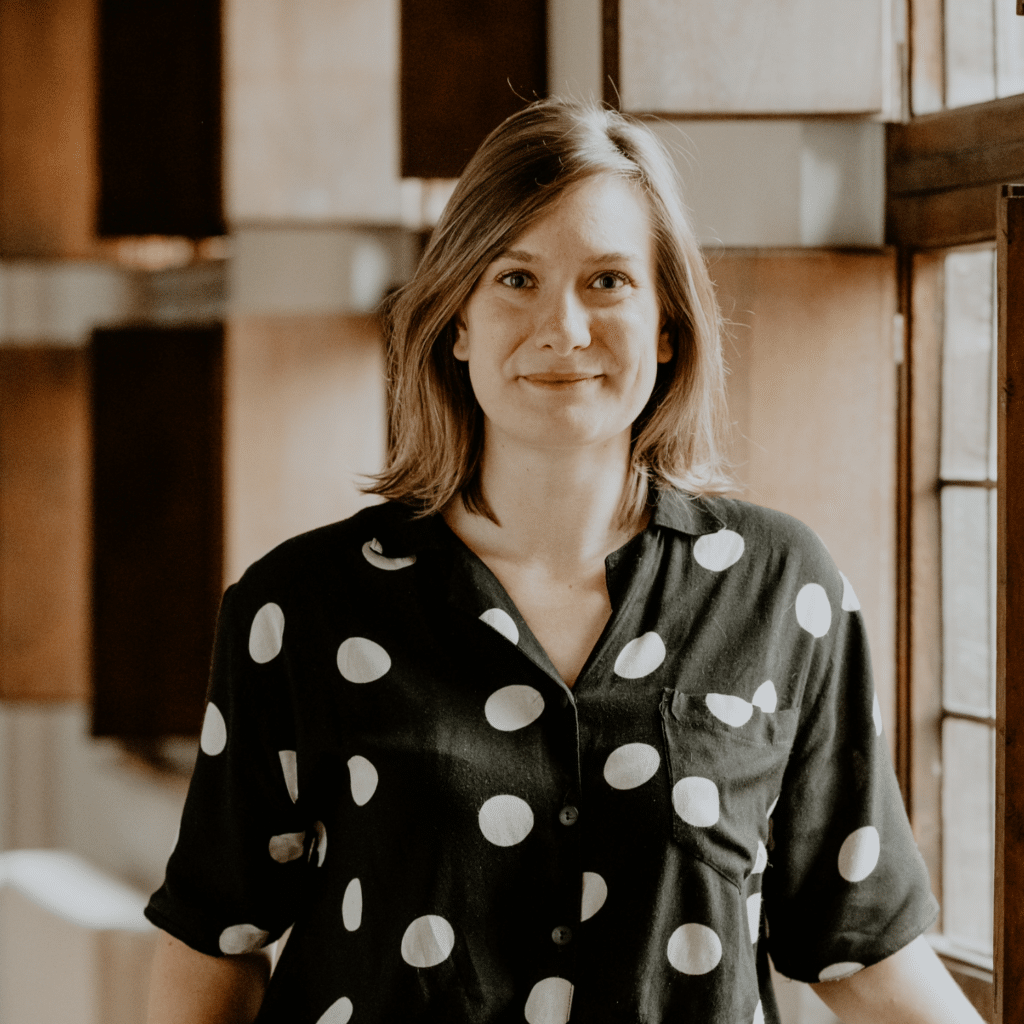
![A young woman with shoulder-length light brown hair, wearing a black shirt with white polka dots, standing indoors near wooden-framed windows.]()
"With an incredible sharpness and sensitivity toward the complexity of the subject, Professor Bucar made religious appropriation insightful both for our students and the general audience of the city festival 'Baroque Influencers' (Antwerp, 2023). Both audiences engaged with her in a vivid Q&A, where she didn't shy away from difficult questions."
Gilke Gunst, Coordinator of Religion, Culture & Society Project,
University Centre Saint-Ignatius Antwerp, Belgium


LIZ’S OFFICIAL BIO
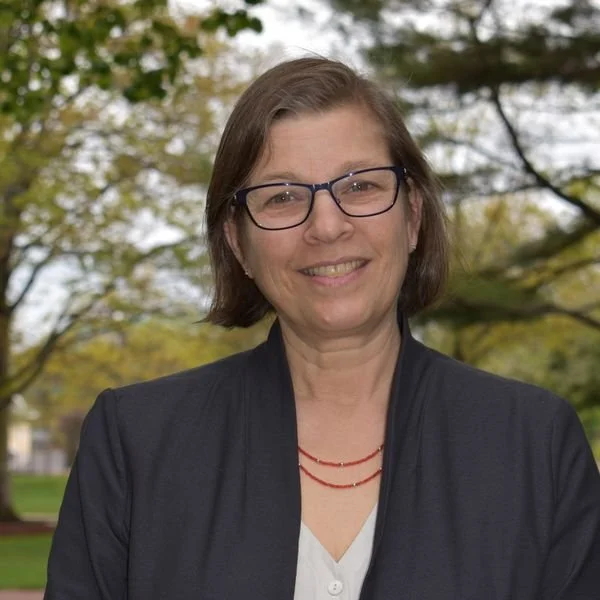
Liz Bucar is a leading expert in religious ethics, a professor of religion at Northeastern University, and a prizewinning author. Her writing, teaching, and public lectures cover a wide range of topics—from sexual reassignment surgery to the politics of religious clothing--but generally focus on how a deeper understanding religious difference can change our sense of what is right and good.
Liz has written for The Atlantic, Teen Vogue, The Los Angeles Times, and Religion News Service, among others, and her work has been discussed in the New York Times, The Washington Post, The Huffington Post, and Instyle Magazine. She has written four books, including her most recent, Stealing My Religion: Not Just Any Cultural Appropriation. She is also the Director of Sacred Writes, a grant-funded project that provides media training for religion scholars.
Liz received a degree in government from Harvard and a Ph.D. in religious ethics from the University of Chicago.